What Is Radioembolization (Y-90) for Liver Tumors?
Author: Prof. Dr. Murat Canyiğit, Interventional Radiologist
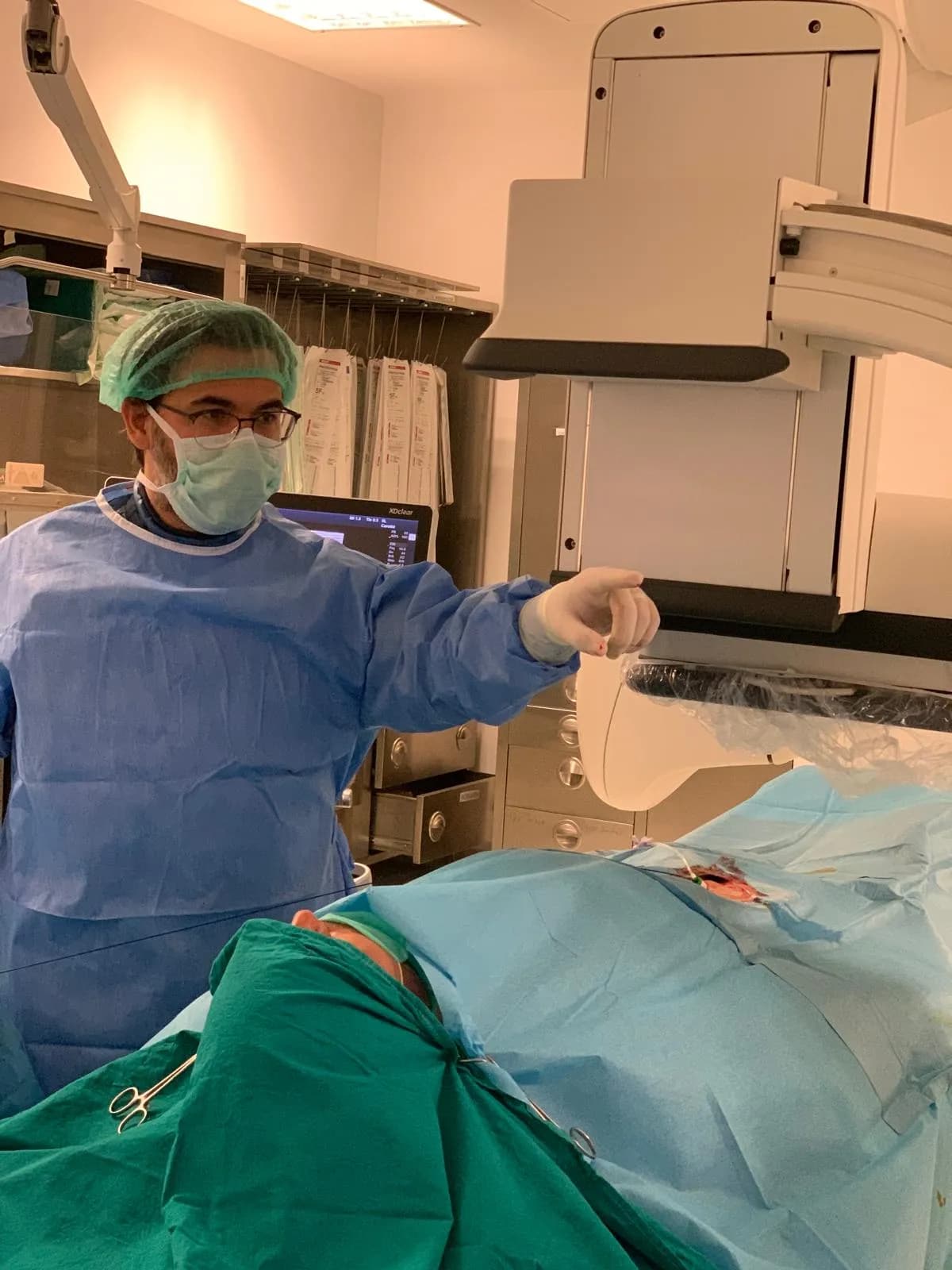
Radioembolization (SIRT) is a form of internal radiotherapy delivered through the blood vessels and used for liver tumors. Very small microspheres carrying the radioactive substance yttrium-90 are delivered by catheter into the liver artery feeding the tumor; the microspheres lodge in the tumor and deliver radiation to an area a few millimeters across.
Liver tumors receive their blood mainly from the hepatic artery whereas healthy liver tissue is supplied by the portal vein. This difference allows radiation to be concentrated on the tumor with less reaching healthy tissue.
A planning session is performed before treatment: the vessels are mapped with angiography, some vessels are closed if necessary and nuclear imaging measures whether any material would pass to the lungs. This preparation is essential for the safety of treatment. The treatment session follows a few days or weeks later.
Radioembolization can be an option in selected patients with hepatocellular carcinoma and with tumors that have spread to the liver from other organs. The decision is made jointly by the oncology, gastroenterology, surgery, nuclear medicine and radiology team.
In a 2022 study in which Prof. Dr. Murat Canyiğit is among the authors, the radiation dose absorbed by healthy tissue after radioembolization of one lobe was reported to help predict growth of the opposite lobe. A 2024 study examined predicting metabolic response with dose-volume histograms after Y-90 resin microsphere treatment in patients with hepatocellular carcinoma.
Common side effects are fatigue, mild fever, abdominal pain and nausea. Rare complications include injury to the stomach and duodenum, bile duct problems and deterioration of liver function. This article is general information; the treatment decision is individual.
Scientific sources
- Coskun N, Yildirim A, Yuksel AO, et al. The radiation dose absorbed by healthy parenchyma is a predictor for the rate of contralateral hypertrophy after unilobar radioembolization of the right liver. Nucl Med Mol Imaging, 2022
- Coskun N, Kartal MO, Kartal AS, et al. Use of dose-volume histograms for metabolic response prediction in HCC patients undergoing TARE with Y-90 resin microspheres. Ann Nucl Med, 2024
The information on this page is general and does not replace an examination. Diagnosis and treatment decisions are made only after an in-person consultation. In an emergency (sudden chest or back pain, signs of stroke, rapidly progressing blackening or infection of the foot) call 112 without waiting.
Book Appointment