Portal Vein Thrombosis Treatment
Treatment of acute and chronic portal vein thrombosis under angiography.
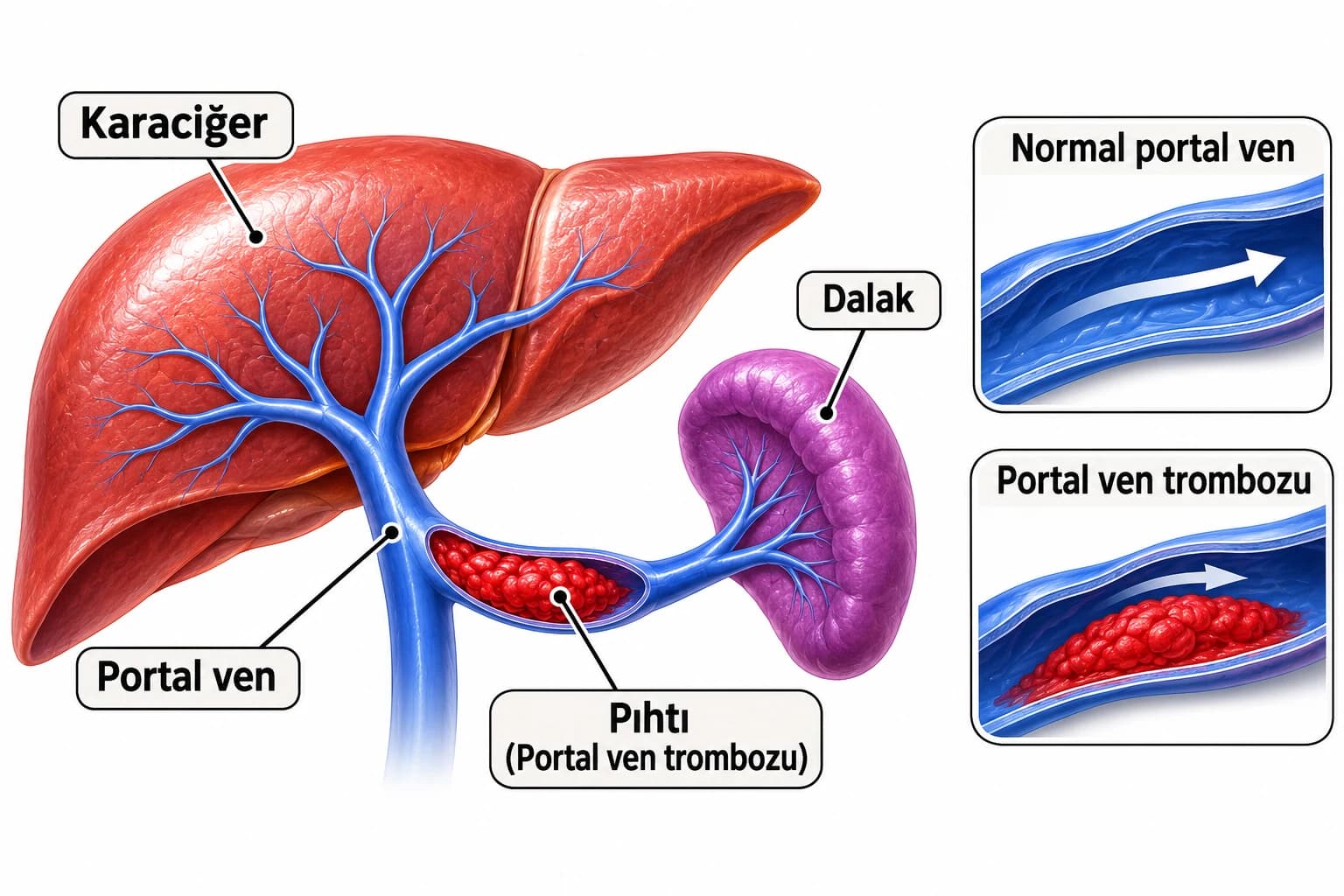
The portal vein carries blood from the intestines and spleen to the liver. A clot in this vein is called portal vein thrombosis. It can develop with liver disease, clotting disorders, abdominal infection and after operations.
Symptoms and why it matters
Acute thrombosis can cause abdominal pain, fever and impaired bowel circulation. In chronic thrombosis portal pressure rises; esophageal varices with bleeding, an enlarged spleen and fluid in the abdomen can develop.
Interventional treatment
Medication (blood thinners) is the first step in most patients. In suitable patients, procedures through the vessels include dissolving the clot with medication (thrombolysis), removing it mechanically (thrombectomy), opening the blocked vein with a balloon and stent, or creating a new channel inside the liver (TIPS).
Opening chronic occlusions can be technically challenging and requires experience. Below you can watch a video from Prof. Dr. Murat Canyiğit's YouTube channel on opening a chronic portal vein occlusion with angiography.
Risks
There are risks of bleeding, vessel injury, impaired liver function and re-occlusion. The decision is made together with the gastroenterology and hepatology team.
Consultation and appointments
Consultations and procedures are carried out in person at Ankara Bilkent City Hospital, Neuro-orthopedics Building, Department of Radiology, Interventional Radiology Unit. Please bring previous reports, films and CDs and your current medication list. To book, call or message us on WhatsApp.