Recovery After Fibroid Embolization: First Day, First Week, First Months
Author: Prof. Dr. Murat Canyiğit, Interventional Radiologist
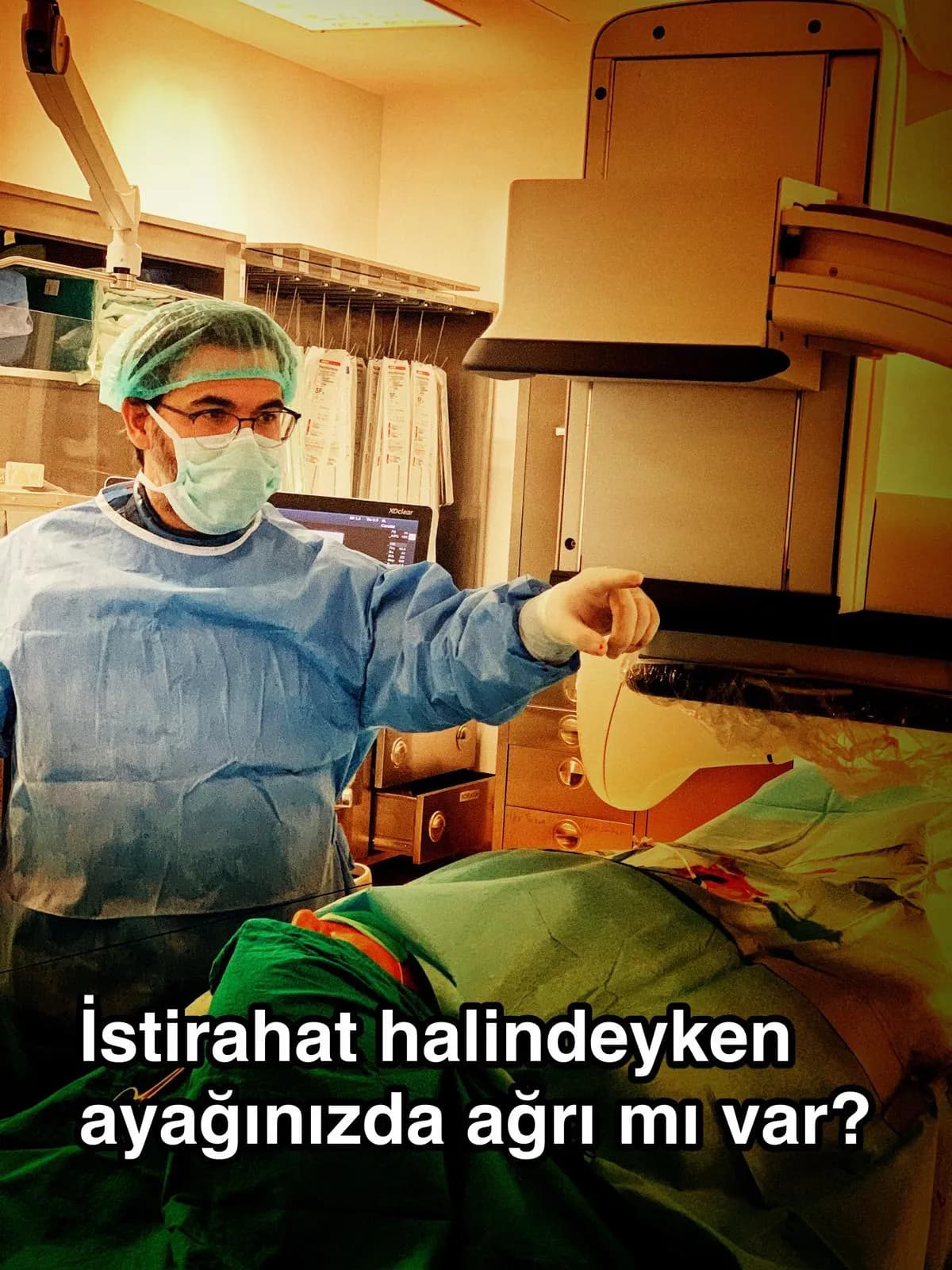
Fibroid embolization is an incision-free procedure in which a catheter reaches the vessels feeding the uterus to reduce the blood flow of the fibroid. The recovery varies from patient to patient but a general course can be described.
First hours and first day: cramp-like lower abdominal pain is common after the procedure and is due to the reduced blood flow of the fibroid. It is controlled with painkillers and some patients are observed overnight in hospital. Nausea and a mild fever can occur. The access site is checked for bleeding or swelling.
First week: pain usually eases within a few days. Fatigue and mild fever (post-embolization syndrome) can continue. Many patients return to daily life within a week and to work within one to two weeks; heavy lifting and strenuous exercise are initially discouraged.
First and second month: menstrual bleeding begins to normalize and pelvic pressure and heaviness decrease. Shrinkage of the fibroid continues over time. In some patients there can be bleeding and pain with the first period, which can be expected.
First 3–6 months: a follow-up MRI or ultrasound confirms that the fibroid has shrunk. In patients whose fibroid volume reduces markedly over time, symptoms also improve. The follow-up schedule is set by the doctor.
Contact the doctor without waiting for: high fever, severe worsening abdominal pain, foul-smelling vaginal discharge, very heavy bleeding, swelling at the access site or a cold, discolored leg. This article is general information; clarify your own course with your doctor.
The information on this page is general and does not replace an examination. Diagnosis and treatment decisions are made only after an in-person consultation. In an emergency (sudden chest or back pain, signs of stroke, rapidly progressing blackening or infection of the foot) call 112 without waiting.
Book Appointment