Which Conditions Are Treated With Interventional Radiology?
Author: Prof. Dr. Murat Canyiğit, Interventional Radiologist
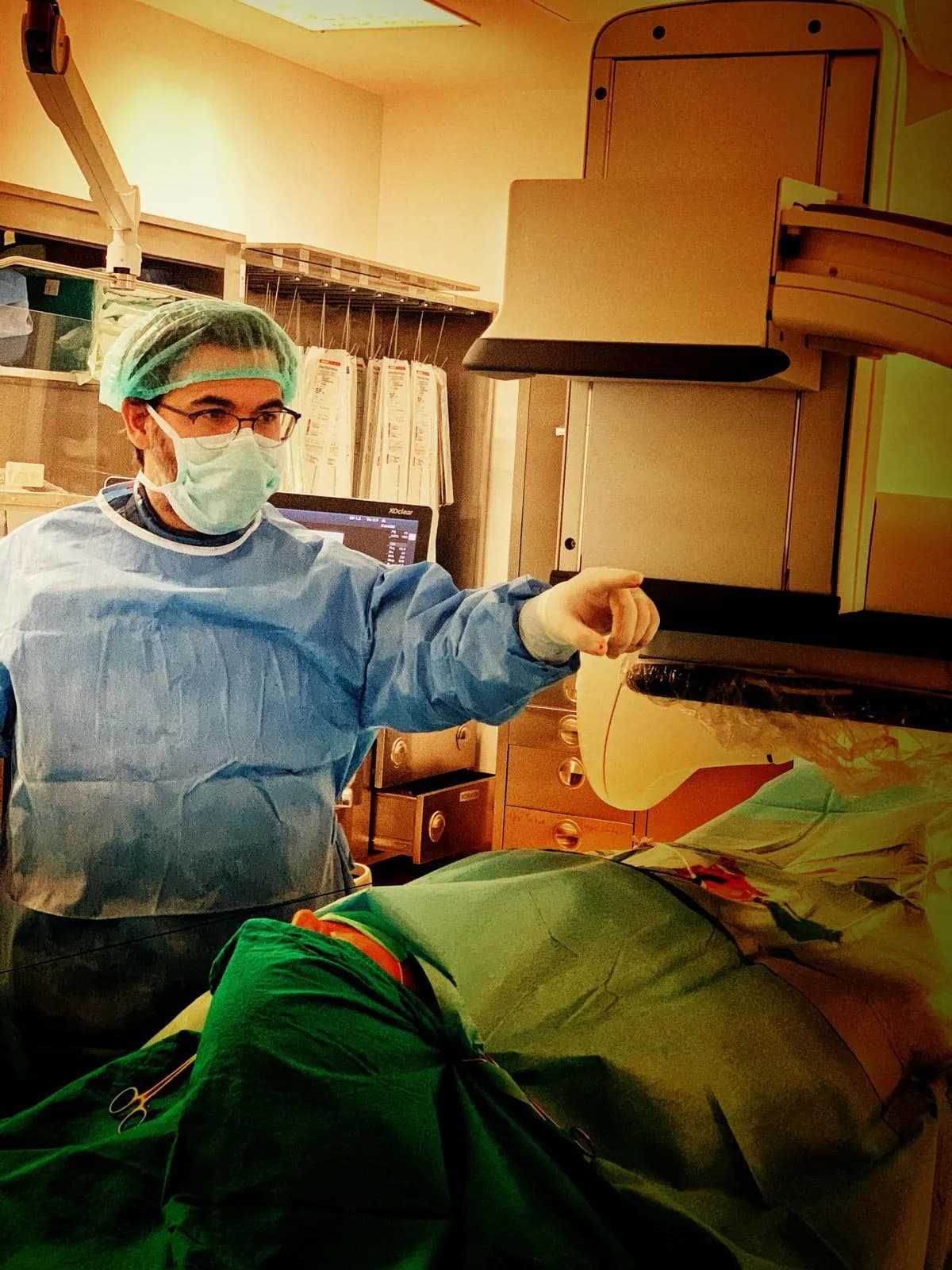
Interventional radiology covers treatments performed with thin catheters and needles under ultrasound, CT, MRI or angiographic guidance. Most procedures need no large incision and patients return to daily life quickly.
Vascular disease: blockages in the leg and groin arteries (peripheral artery disease), below-the-knee narrowing accompanying diabetic foot ulcers, carotid stenosis and acute arterial occlusions are treated with balloons, stents and thrombectomy.
Aortic disease: aortic aneurysm, aortic dissection and arterial injuries can be treated with stent grafts in suitable patients.
Vascular anomalies: vascular malformations and hemangiomas can be reduced with embolization or sclerotherapy.
Women's health: uterine fibroid embolization can be an alternative to surgery for patients who wish to preserve the uterus.
Tumors: chemoembolization, radioembolization and ablation are used in selected tumors, especially of the liver.
The right approach depends on the disease, the vessel anatomy and the patient's general condition, and is decided after examination and imaging. This article is general information.
The information on this page is general and does not replace an examination. Diagnosis and treatment decisions are made only after an in-person consultation. In an emergency (sudden chest or back pain, signs of stroke, rapidly progressing blackening or infection of the foot) call 112 without waiting.
Book Appointment